
How to Clean a Washing Machine: The Complete Guide to a Cleaner, Fresher Washer
Thu Jul 23 2026
- Laundry
- Tips & How To's
You count on your washing machine to keep your clothes clean, but when was the last time you cleaned the washer itself? Over time, detergent residue, fabric softener, hard water minerals, lint, and bacteria can build up inside the drum, detergent dispenser, filter, and door gasket. This buildup can lead to unpleasant odors, reduced cleaning performance, and even shorten the lifespan of your appliance.
The good news is that learning how to clean a washing machine is simple and only takes a little routine maintenance. Whether you own a front load or top load washer, regular cleaning helps eliminate odors, improve washing performance, and keep your appliance running efficiently for years to come.
At Van Vreede's, our appliance experts help homeowners throughout Appleton, Green Bay, Oshkosh, and Northeast Wisconsin keep their laundry appliances performing at their best. In this complete guide, we'll cover how to deep clean a washing machine, how often you should clean it, how to remove mold and mildew, the best cleaning products to use, and maintenance tips that help prevent future buildup.
Key Takeaways: How to Clean a Washing Machine
-
Clean your washing machine about once a month to remove detergent residue, mold, bacteria, and mineral buildup.
-
Front load and top load washers require different cleaning methods, especially around door gaskets and dispensers.
-
White vinegar, bleach, and washing machine cleaner tablets each have advantages depending on the type of buildup you're removing.
-
Regular maintenance helps eliminate odors, improve cleaning performance, and extend the life of your washer.
-
Cleaning the filter, detergent dispenser, and rubber gasket is just as important as cleaning the drum.
-
The appliance experts at Van Vreede's can help you maintain your washer or choose a replacement if it's time to upgrade.

How Do You Clean a Washing Machine?
To clean a washing machine, run the hottest cleaning cycle using either a washing machine cleaner tablet or the cleaning solution recommended by your manufacturer. After the cycle finishes, wipe down the drum, door seal, detergent dispenser, and exterior surfaces before allowing the washer to air dry.
For the best results, deep clean your washer approximately once a month and clean the gasket, filter, and detergent drawer regularly to prevent mold, mildew, and unpleasant odors.
Why Cleaning Your Washing Machine Is Important
Many people assume that because washing machines use soap and water every day, they naturally stay clean. In reality, the opposite is often true.
Modern high-efficiency washers use less water than older machines, which means detergent residue and fabric softener can accumulate more easily. Moisture left inside the washer also creates an ideal environment for mold, mildew, and odor-causing bacteria to grow.
Over time, these deposits can affect your appliance in several ways:
-
Clothes may develop a musty smell after washing.
-
Soap residue can transfer back onto fabrics.
-
Mold may begin growing around rubber seals.
-
Drainage problems may occur.
-
Your washer may become less efficient.
-
Internal components may experience unnecessary wear.
Routine maintenance helps avoid these issues while keeping your washer operating as efficiently as possible.
How Often Should You Clean Your Washing Machine?
One of the most common questions homeowners ask is how often a washing machine actually needs to be cleaned.
For most households, a deep clean once every month is the ideal schedule. This frequency helps remove detergent residue, body oils, hard water minerals, and bacteria before they have a chance to accumulate.
However, some households may benefit from more frequent cleaning.
You may want to clean your washer every two to three weeks if you:
-
Wash multiple loads every day
-
Frequently wash pet bedding
-
Use large amounts of liquid detergent or fabric softener
-
Live in an area with hard water
-
Regularly wash athletic clothing or heavily soiled work clothes
Even if you don't notice odors, preventative cleaning helps preserve your washer's performance and reduce future maintenance.
Recommended Washing Machine Cleaning Schedule
| Task | Frequency |
|---|---|
| Run a tub clean cycle | Monthly |
| Wipe door gasket | Weekly |
| Clean detergent dispenser | Monthly |
| Clean washer filter | Every 2-3 months |
| Leave door open after loads | After every wash |
| Inspect hoses | Every 6 months |
Following a consistent maintenance schedule is one of the easiest ways to extend the life of your washing machine.
Washer Cleaning Supplies You'll Need
Before you begin, gather a few simple supplies.
Depending on your washer manufacturer's recommendations, you may need:
-
Washing machine cleaner tablets
-
White vinegar
-
Liquid chlorine bleach (if approved by your manufacturer)
-
Microfiber cloths
-
Soft sponge
-
Small scrub brush or old toothbrush
-
Warm water
-
Rubber gloves
Important: Always consult your owner's manual before using vinegar, bleach, or other cleaning products. Some manufacturers recommend specific cleaning products and may advise against certain household cleaners.
How to Deep Clean a Washing Machine
Whether you own a top load or front load washer, the overall cleaning process follows the same basic steps.
Step 1: Empty the Washer
Remove all clothing, towels, or other items from the drum.
Cleaning cycles should always be performed with an empty washer.
Step 2: Run the Cleaning Cycle
Many newer washers include a dedicated Tub Clean, Clean Washer, or Self Clean cycle.
If your machine has one, follow the manufacturer's instructions and add the recommended cleaning product.
If your washer does not include a dedicated cleaning cycle, select:
-
The hottest water temperature
-
The largest load setting
-
The longest available wash cycle
Allow the cycle to complete fully before opening the door.
Step 3: Clean the Detergent Dispenser
Detergent and fabric softener dispensers are common places for residue to build up.
Remove the dispenser drawer if possible and soak it in warm water for several minutes.
Use a soft brush to remove:
-
Detergent buildup
-
Fabric softener residue
-
Mold
-
Mineral deposits
Rinse thoroughly before reinstalling.
Step 4: Wipe the Drum
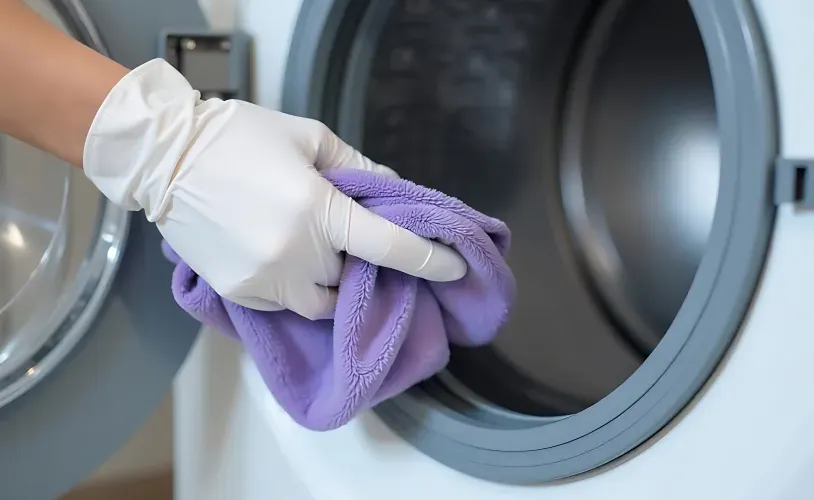
After the cleaning cycle finishes, use a clean microfiber cloth to wipe the inside of the drum.
Pay special attention to:
-
Water remaining near the bottom
-
Soap residue
-
Visible discoloration
Although stainless steel drums resist staining, regular wiping helps remove leftover moisture that could contribute to odor development.
Step 5: Clean the Exterior
Finally, wipe the control panel, door, lid, and exterior surfaces with a damp cloth.
Removing detergent drips and dust not only keeps the washer looking its best but also prevents grime from working its way into buttons and controls.
How to Clean a Front Load Washer
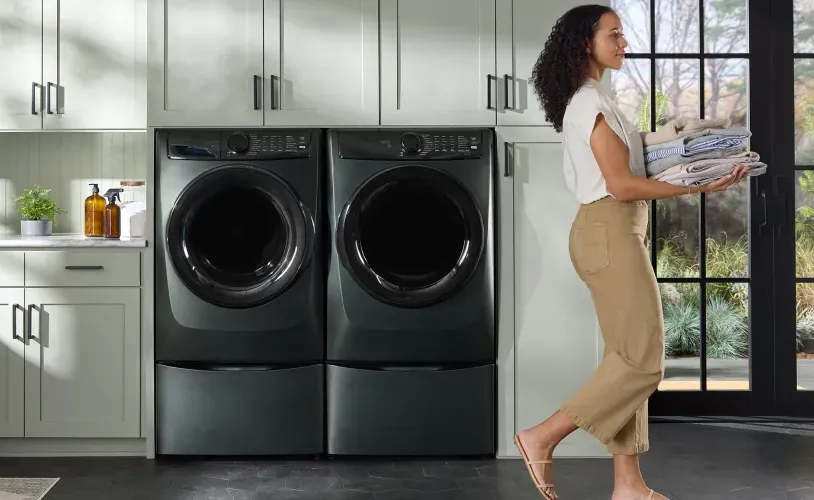
Van Vreede’s Expert Front-Load Washer Pick: Electrolux Front Load Perfect Steam Washer with LuxCare Plus Wash and SmartBoost (Model #: ELFW7637AT)
Front load washers are well known for their efficiency, but they also require slightly more maintenance than top load models.
Because the door seals tightly after every cycle, moisture can remain trapped inside the machine. Without regular cleaning, this damp environment can encourage mold, mildew, and odor-causing bacteria.
Fortunately, preventing these problems is straightforward with a few simple habits.
Pay Special Attention to the Door Gasket
The rubber door gasket is the most common location for mold in front load washers.
After each load, gently pull back the folds of the gasket and inspect for:
-
Standing water
-
Hair
-
Lint
-
Coins
-
Soap residue
-
Mold or mildew
Use a damp microfiber cloth to wipe the gasket thoroughly, paying close attention to the inner folds where moisture tends to collect.
If buildup is visible, use the cleaning solution recommended by your washer's manufacturer and a soft cloth or brush to gently remove residue without damaging the rubber.
Leave the Door Open
One of the easiest ways to prevent mold is simply allowing the washer to dry.
Leaving the washer door slightly open after every load improves airflow, allowing moisture to evaporate instead of remaining trapped inside the drum.
This simple habit can dramatically reduce odor problems over time.
Don't Forget the Detergent Drawer
Front load washers often accumulate detergent buildup inside the dispenser drawer.
Removing and rinsing the drawer monthly helps prevent mold while ensuring detergent flows properly during each wash cycle.
How to Clean a Top Load Washer
Van Vreede’s Expert Top Load Washer Pick: 5.2-5.3 Cu. Ft. Whirlpool Top Load Washer with Removable Agitator (Model #: WTW6157PB)
While top load washers generally have fewer mold issues than front load models, they still require regular maintenance to remove detergent residue, hard water minerals, and bacteria. Over time, buildup can collect beneath the agitator, around the wash basket, and inside the detergent dispenser, reducing cleaning performance and creating unpleasant odors.
Cleaning your top load washer monthly helps keep clothes smelling fresh and ensures the machine continues operating efficiently.
Step 1: Run a Cleaning Cycle
If your washer includes a Clean Washer or Tub Clean cycle, follow the manufacturer's instructions and use the recommended cleaner.
If your washer doesn't have a dedicated cleaning cycle, fill the tub using the hottest water setting and the largest load size before adding your chosen cleaning product.
Allow the cycle to finish completely.
Step 2: Wipe the Agitator or Wash Plate
If your washer has a traditional agitator, wipe around the base where detergent and lint commonly accumulate.
For high-efficiency top load washers with a wash plate or impeller, clean around the center cap and any visible crevices where residue may collect.
Step 3: Clean the Lid and Rim
The underside of the lid and the top rim of the washer often collect detergent residue and moisture.
Use a microfiber cloth and warm water to wipe these surfaces thoroughly, paying close attention to corners and hinges.
Step 4: Clean the Dispensers
Many top load washers include bleach, detergent, and fabric softener dispensers.
Remove them if possible and rinse thoroughly before replacing them.
Vinegar vs. Bleach vs. Washing Machine Cleaner Tablets
One of the biggest questions homeowners ask is which cleaning product works best. The answer depends on the type of buildup you're trying to remove and your washer manufacturer's recommendations.
| Cleaning Method | Best For | Advantages | Considerations |
|---|---|---|---|
| White Vinegar | Mineral deposits, light odors | Affordable, readily available, dissolves some mineral buildup | Some manufacturers discourage routine vinegar use because repeated exposure may affect certain rubber seals over time. Always check your owner's manual first. |
| Liquid Chlorine Bleach | Mold, mildew, bacteria | Excellent disinfecting properties | Never mix bleach with vinegar or other cleaners. Use only if approved by the manufacturer. |
| Washing Machine Cleaner Tablets | Routine maintenance | Specifically formulated for washing machines, easy to use, removes residue and odors | Typically the preferred option recommended by many appliance manufacturers. |
For most homeowners, washing machine cleaner tablets provide the easiest and safest option for monthly maintenance. Products such as Affresh®, Tide® Washing Machine Cleaner, and manufacturer-approved cleaners are designed specifically to remove detergent residue, mineral deposits, and odor-causing buildup without harming internal components.
Why Does My Washer Still Smell?
If you've already cleaned your washer but still notice unpleasant odors, there may be another underlying issue.
The most common causes include:
Mold Hidden Behind the Door Gasket
Even after running a cleaning cycle, mold can remain tucked inside the folds of a front load washer's rubber gasket.
Inspect carefully and wipe every fold completely.
Dirty Drain Filter
A clogged filter can trap lint, hair, detergent residue, and standing water that contribute to persistent odors.
Cleaning the filter every few months often solves lingering smell problems.
Too Much Detergent
Using more detergent than necessary creates excess residue that remains inside the washer after each cycle.
Modern high-efficiency washers require significantly less detergent than many homeowners realize.
Leaving Wet Clothes Inside
Even a few hours can allow bacteria to begin growing on damp clothing.
Remove laundry promptly after every cycle to help prevent odors inside both your clothes and the washer.
Hard Water Buildup
Minerals naturally found in hard water gradually collect inside hoses, drums, and internal components.
Periodic deep cleaning helps remove these deposits before they affect washer performance.
How to Prevent Mold and Mildew
Preventing mold is much easier than removing it.
Developing a few simple habits can dramatically reduce moisture buildup and keep your washer smelling fresh between cleanings.
Leave the Door or Lid Open
After every load, leave the washer door or lid slightly open to improve airflow.
This allows moisture to evaporate instead of remaining trapped inside the drum.
Dry the Door Gasket
For front load washers, quickly wiping the rubber gasket after each laundry day removes excess moisture before mold has an opportunity to grow.
Use the Correct Amount of Detergent
More detergent doesn't necessarily produce cleaner clothes.
Using the amount recommended by your detergent manufacturer helps minimize residue while improving rinse performance.
Clean Monthly
Waiting until odors appear usually means buildup has already developed.
Monthly maintenance helps prevent problems before they become noticeable.
How to Clean the Washing Machine Filter
Many homeowners don't realize their washer has a filter that requires periodic cleaning.
Depending on your model, the filter may collect:
-
Lint
-
Hair
-
Pet fur
-
Coins
-
Buttons
-
Small clothing items
A clogged filter can reduce drainage, leave clothes wetter than normal, and contribute to unpleasant odors.
Always consult your owner's manual before removing the filter, as locations vary by manufacturer.
In many front load washers, the filter is located behind a small access panel near the bottom front of the machine.
Once removed:
-
Place towels beneath the access panel to catch any remaining water.
-
Remove debris by hand.
-
Rinse the filter under warm running water.
-
Reinstall securely before operating the washer.
Cleaning the filter every two to three months helps maintain proper drainage and washing performance.
Best Washing Machine Cleaning Products
Although household cleaners can be effective in certain situations, many manufacturers recommend products specifically formulated for washing machines.
Popular options include:
-
Affresh® Washing Machine Cleaner Tablets
-
Tide® Washing Machine Cleaner
-
OxiClean® Washing Machine Cleaner
-
Manufacturer-specific cleaning products
These cleaners are designed to dissolve detergent residue, remove mineral buildup, and eliminate odor-causing bacteria while remaining safe for modern washer components.
Always follow both the cleaner's instructions and your appliance manufacturer's recommendations.
Brand-Specific Cleaning Tips
While the general cleaning process is similar across brands, many manufacturers include specialized maintenance features that can make routine care even easier.
GE
Many GE washers feature a Basket Clean cycle specifically designed to remove residue and buildup. Running this cycle monthly with a manufacturer-approved cleaner helps maintain performance and reduce odors.
Whirlpool
Many Whirlpool washers include a Clean Washer with Affresh® cycle. Whirlpool recommends using Affresh® tablets or another approved cleaner rather than household products not listed in the owner's manual.
LG
LG washers often include Tub Clean cycles that should be run approximately once a month. For front load models, LG also recommends regularly wiping the door gasket and leaving the door open after use.
Samsung
Samsung washers commonly feature Self Clean or Self Clean+ cycles that notify homeowners when it's time for maintenance. Running these cycles as recommended helps reduce detergent buildup and bacteria.
Speed Queen
Speed Queen washers are known for their durable construction, but they still benefit from routine maintenance. Regularly cleaning the wash basket, detergent dispenser, and filter while following the owner's manual recommendations helps preserve cleaning performance for years to come.
Washing Machine Maintenance Checklist
Keeping your washer clean doesn't require a lot of time, but consistency is important. Following a simple maintenance routine can help prevent odors, reduce wear on components, and improve overall cleaning performance.
After Every Load
-
Remove clean laundry promptly.
-
Leave the washer door or lid open to improve airflow.
-
Wipe away any standing moisture from the door gasket on front load models.
Weekly
-
Check the detergent dispenser for residue.
-
Wipe the exterior and control panel.
-
Inspect the drum for forgotten items or debris.
Monthly
-
Run the washer's cleaning cycle using a manufacturer-approved cleaner.
-
Clean the detergent dispenser thoroughly.
-
Wipe the door gasket and drum.
Every Two to Three Months
-
Clean the drain filter.
-
Inspect water supply hoses for signs of wear or leaks.
-
Check for unusual odors or excessive detergent buildup.
Keep Your Washer Performing Like New
Learning how to clean a washing machine is one of the simplest ways to improve appliance performance and extend its lifespan. Regular maintenance helps prevent odors, reduces detergent buildup, improves washing results, and minimizes the risk of mold and mildew developing inside the machine.
Whether you own a front load or top load washer, spending a few minutes each month on routine cleaning can save time, improve efficiency, and help avoid more expensive repairs down the road.
If your washer no longer cleans effectively despite regular maintenance, or if it's nearing the end of its lifespan, the appliance experts at Van Vreede's can help you compare today's latest high-efficiency washers and find the right model for your home.
Shop Premium Washers at Van Vreede's
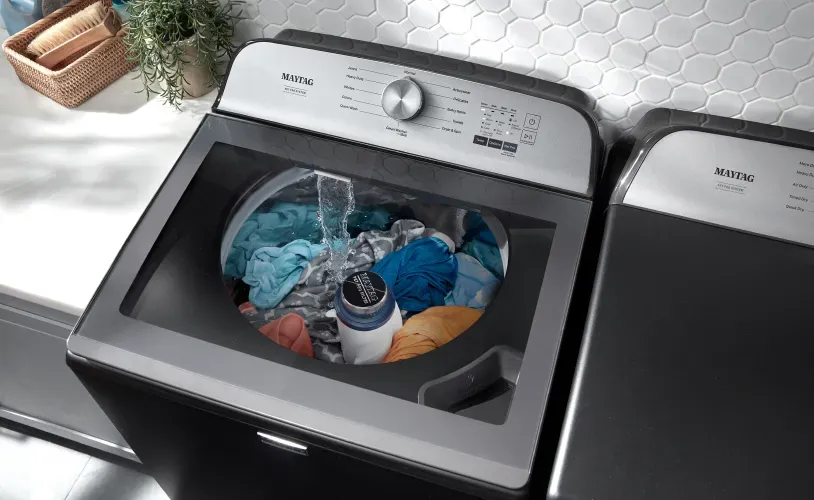
Keeping your washing machine clean is one of the best ways to maximize its performance, but every appliance eventually reaches the point where replacement makes more sense than continued maintenance. If you're shopping for a new washer, the experts at Van Vreede's are here to help.
We proudly serve homeowners throughout Northeast Wisconsin, offering a wide selection of top load, front load, and high-efficiency washing machines from today's leading appliance brands. Visit one of our appliance showrooms in Appleton, Green Bay, or Oshkosh, WI to find a washer designed to deliver years of dependable performance.
Related readings from our blog:
-
Best Laundry Appliances for Small Spaces: Compact Washers & Dryers Guide
-
Best Washing Machine for Large Loads: Top Load vs. Front Load Performance
FAQs: How to Clean a Washing Machine
How often should you clean a washing machine?
Most households should deep clean their washing machine about once a month to remove detergent residue, mineral deposits, and odor-causing bacteria. Homes that run multiple loads each day, wash pet bedding frequently, or have hard water may benefit from cleaning every two to three weeks. Following a consistent maintenance schedule helps improve cleaning performance and extend the life of the appliance. Regularly wiping the gasket, cleaning the filter, and leaving the door open between loads can also help prevent buildup.
What is the best way to clean a washer machine?
The best way to clean a washer machine is to run the manufacturer's recommended cleaning cycle using an approved washing machine cleaner. After the cycle, clean the detergent dispenser, wipe the drum and door gasket, and inspect the filter for debris. While some homeowners use household products such as vinegar or bleach, it's important to follow your owner's manual because recommendations vary by manufacturer. Routine maintenance is often more effective than waiting until odors develop.
Why does my washing machine smell even after cleaning it?
If your washer still smells after cleaning, hidden mold inside the door gasket, a clogged drain filter, detergent residue, or standing moisture may be the cause. Using too much detergent or leaving wet laundry inside the machine can also contribute to lingering odors. Inspecting and cleaning all parts of the washer, not just the drum, usually resolves the issue. Keeping the door open after each load helps prevent odors from returning.
Can I use vinegar to clean my washing machine?
Vinegar can help dissolve some mineral deposits and remove light odors, but it isn't the best choice for every washer. Some appliance manufacturers advise against routine vinegar use because repeated exposure may affect certain rubber seals and internal components over time. Washing machine cleaner tablets are often the preferred option because they're formulated specifically for modern appliances. Before using vinegar or any cleaning product, always consult your washer's owner's manual to ensure it's recommended for your model.
Related Articles